
Could Zohran's plan for public grocery stores work?
Experts say there’s plenty of precedent both in the US and abroad for state-supported food infrastructure.

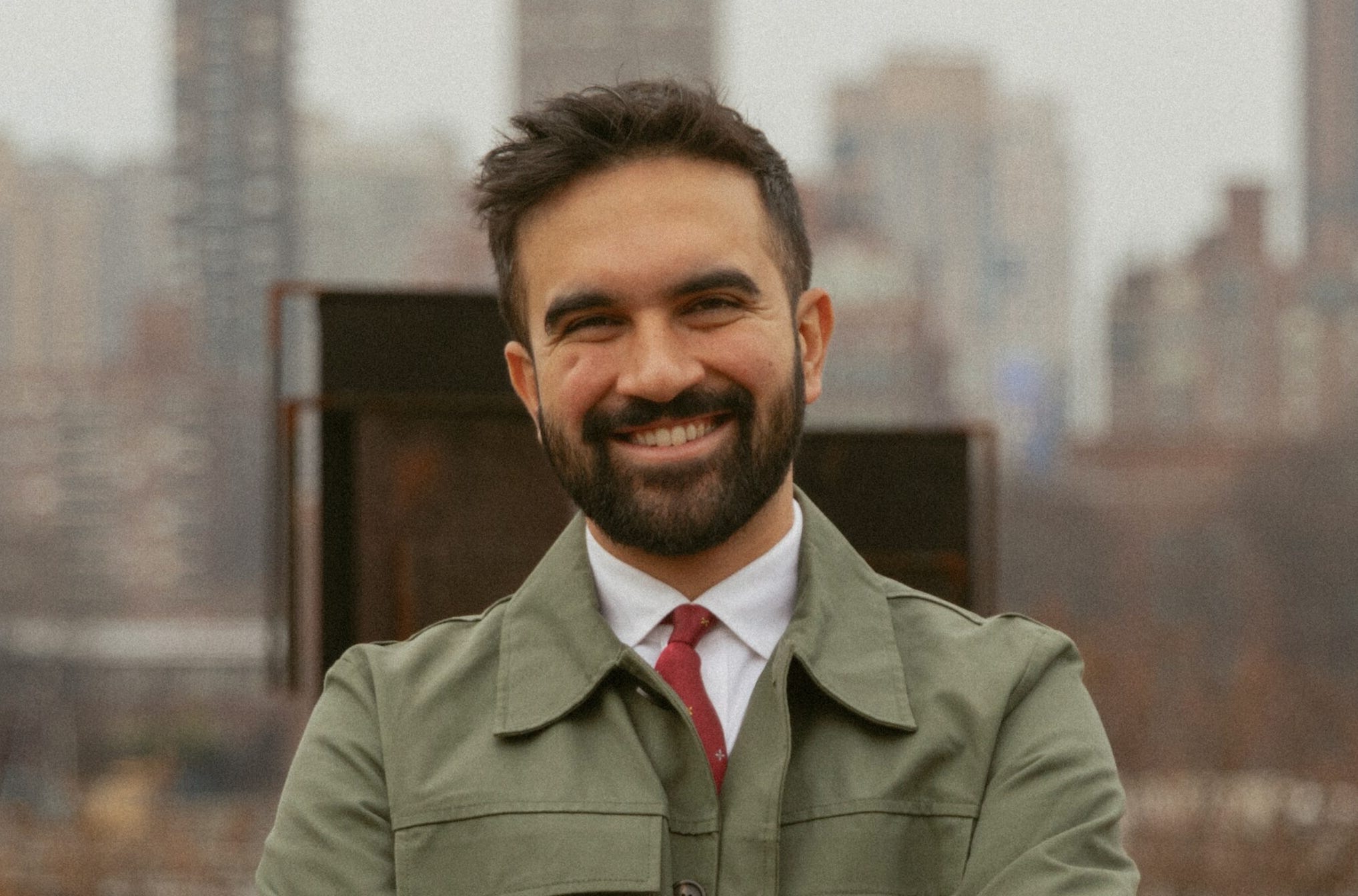
When Zohran Mamdani sailed to a surprising but decisive victory in New York City’s Democratic mayoral primary last month, he did so propelled by a platform laser-focused on making the country’s largest city more affordable for working people. The success of his campaign has rippled far beyond NYC, with people across the country and around the world taking note.
Among his proposed policies for achieving that vision of affordability – which include free childcare and a rent freeze for tenants – is the proposal to create a network of city-owned grocery stores focused on keeping food prices low rather than on making a profit.
“Without having to pay rent or property taxes, they will reduce overhead and pass on savings to shoppers,” Mamdani said on his website. “They will buy and sell at wholesale prices, centralize warehousing and distribution, and partner with local neighborhoods on products and sourcing.”
The proposal seems to be resonating. Two-thirds of New Yorkers polled said they support the creation of municipal grocery stores, according to an April 2025 report published by the Climate & Community Institute and Data for Progress. Another 85% said they were paying more for groceries this year than last, and 91% were concerned about how inflation is affecting food costs.
But could city-owned grocery stores really lower the cost of food? According to many experts, the idea isn’t as out there as it might seem.
In my latest for the Guardian, I explored this proposal, and came across examples from history and the present day, near and far, that made clear that state-supported food infrastructure can in fact work. I learned about WWII-era “British Restaurants” and Polish “milk bars,” about contemporary efforts in Atlanta and small-town Kansas, and most strikingly, was pointed to the US military and how its government-owned grocery stores save military families 30-40% on their grocery bills. (“Passing along similar benefits to civilians is quite possible,” one expert told me.) Read the full story here.
(My favorite anecdote that got cut from this week’s story was about the Polish milk bars, which are government-subsidized cafeterias where meals cost two-thirds or half of what they might at a traditional restaurant. These establishments have been so popular that one operator shared a story about people staging a protest when their local milk bar was going to be shut down by the government. They took over the kitchen, made their traditional pierogi, and when the police came to arrest them, they were bundled into police cars, plates of pierogi and all. I love that image of a pierogi protest — but the point is, not only has publicly-supported food infrastructure worked, it’s often been wildly popular.)
A couple new stories I edited have come out lately, including one on fireflies by Oliver Milman and one on the minor miracle of fossil leaves by Riley Black.
I’ll leave you with the poem “Naturalized” by Hala Alyan, which encapsulates the sickening cognitive dissonance so many of us are living with right now — seeing babies in Gaza starving through the window of our phone screens, then fixing a leak in the bathroom or heading out to brunch.